
Jet lag is one of those things people accept as the price of long haul travel, and then spend the first three days of a trip feeling flat, hungry at the wrong times and wide awake at 4am. Its largely avoidable. The body clock can be shifted, and the tools for doing it are simple: light,
food, timing and a bit of discipline in the first couple of days. This guide walks through what to do at each stage, from the week before you fly to the nights after you get home.
What´s Actually Happening
Your body runs on a roughly 24 hour cycle set by a small cluster of cells in the brain, and that cycle controls when you feel sleepy, when you feel hungry, when your temperature dips and when hormones like cortisol and melatonin rise and fall. It takes its main cue from light. Cross
several time zones quickly and the clock is still running on the time you left, which is why you´re alert at midnight in Singapore and drowsy through a meeting in New York.
The clock can shift by about an hour a day on its own, sometimes a little more when you help it. That´s the number to keep in mind. A five hour difference means roughly five days to adjust fully if you do nothing, and considerably less if you manage light and sleep with some care.
The Week Before You Fly
If the trip is important, start moving your schedule a few days early. Flying east, go to bed and get up half an hour to an hour earlier each day. Flying west, do the opposite. Even a shift of two hours before departure takes the edge off. Get plenty of sleep in the days before you leave too.

Arriving already tired makes everything harder.
Book flights with the arrival time in mind. Landing in the late afternoon or early evening local time lets you stay up for a few hours and go to bed at a reasonable point, which is a far better start than landing at 6am with a whole day to get through.

On The Plane
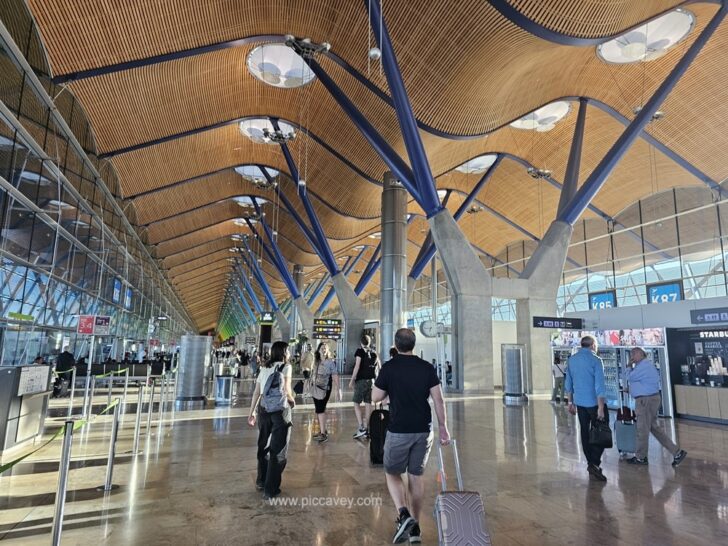
Set your watch to the destination time as soon as you board and start behaving as if you´re already there. If it´s night at your destination, try to sleep. If it´s day, stay awake, read, watch something and keep the window shade up if you can.
Drink water regularly, since cabin air is dry and dehydration makes fatigue worse. Go easy on alcohol, which fragments sleep, and on caffeine after what would be early afternoon at your destination. If you need to sleep on board, an eye mask, earplugs and a neck pillow make a real difference, and a short walk up the aisle every couple of hours helps circulation.

Flying East or Flying West
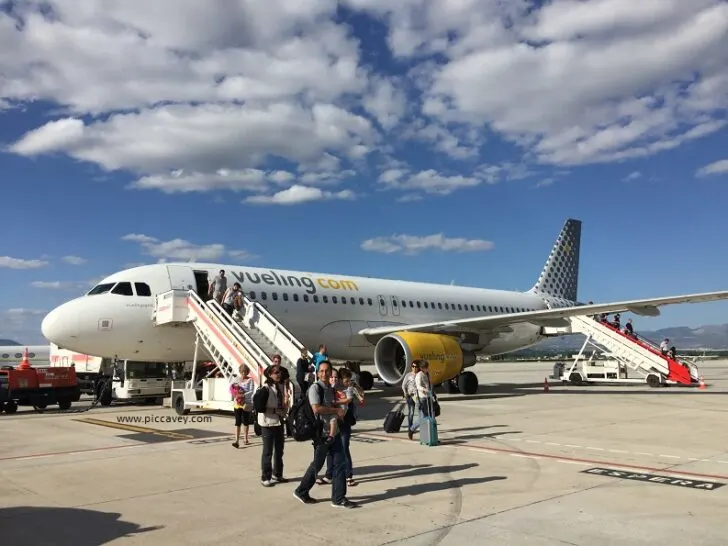
The direction matters. Most people find eastward travel harder because it means going to bed earlier than the body wants, and the clock resists being pulled forward. Westward travel means staying up later, which is easier for most of us. Light is key in both cases:
● Flying east, seek morning light at your destination and avoid bright light in the evening. Sunglasses for the last few hours of the day help.
● Flying west, do the reverse. Get outside in the late afternoon and early evening, and keep mornings a little dimmer if you can.
Getting this wrong can push the clock the wrong way, so it´s worth a moment of thought. Morning light moves the clock earlier, evening light moves it later.
The First Three Days
Stay on local time from the moment you land, however you feel. Eat meals when locals eat them, even if you`re not hungry, because food timing is a something the internal clock takes note of. Get outside during the day. Keep naps short, twenty to thirty minutes at most, and never after mid afternoon.
If you wake early, get up and get into daylight, since lying in bed hoping to drift off usually doesn´t work and keeps the clock anchored to the old time. Some travellers find a small dose of melatonin in the evening useful, particularly when flying east, but it´s worth speaking to a
pharmacist or GP first.


Coming Home
The return leg often gets less attention and can be worse, because you´re back at work with no allowance for feeling rough. Apply the same rules in reverse and be patient with yourself for a few days.
One thing that helps more than people expect is having a bedroom that´s ready for you. Coming back from a hot climate to a British autumn, or the other way round, means the bedding that felt fine when you left can be wrong for the temperature you´re now trying to sleep in. This is where a duvet you can adjust with the seasons becomes a must-have. Simba´s Hybrid™ 3-in-1 Duvet, for example, is a set of two duvets, a 3.5 tog and a 7 tog, that can be used on their own or snapped together into a 10.5 tog, so a returning traveller can go light for the first sticky nights and add warmth once the body has settled.
Keep the room cool, keep the curtains dark and get outside the morning after you land. The clock will catch up quicker than you think.


Jet Lag: A Simple Checklist
- Shift your schedule before you go
- Sleep well the week before,
- Switch to destination time on boarding,
- Manage light in the right direction,
- Eat at local time,
- Keep naps short
- Give your body a comfortable place to adjust at both ends.
None of it is complicated. Most of it just requires a little preparation in advance to help you adjust and optimize your travel experience.