Healthy eating is often a challenge for students. Busy school schedules, limited budgets, and the attraction of fast food can make nutritious meals seem difficult to maintain. But what if the solution could be found in a simple tradition that has shaped Spanish cuisine for centuries—eating seasonal foods?
Spain is famous for its fresh ingredients and vibrant culinary culture. Markets across the country change with the seasons, offering different fruits, vegetables, and traditional dishes throughout the year. This natural rhythm of food not only supports local agriculture but also promotes balanced and nutritious eating.
For students, learning from seasonal Spanish food habits can be a powerful way to develop healthier diets. By focusing on fresh ingredients that naturally appear throughout the year, students can enjoy tastier meals, improve their nutrition, and even save money. In many ways, seasonal eating is like following nature’s own recipe book.
So how exactly can seasonal Spanish foods inspire better eating habits among students?
The Spanish Tradition of Eating with the Seasons
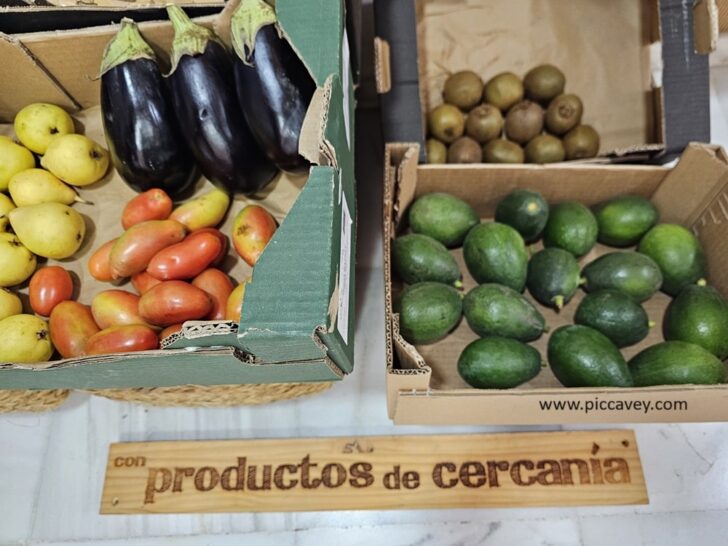
In Spain, seasonal eating is not a trend—it’s a long-standing tradition. Families often buy ingredients from local markets where products change depending on the time of year. This practice encourages people to eat foods when they are freshest, most flavourful, and most nutritious.
Think of seasonal eating like listening to music in rhythm with the seasons. In summer, light and refreshing foods dominate the table. In winter, warm and comforting meals appear more often. This natural balance helps maintain a varied and nutritious diet.
For students, this approach can make healthy eating easier. Instead of relying on processed snacks, they can choose foods that are naturally available during each season.
For example:
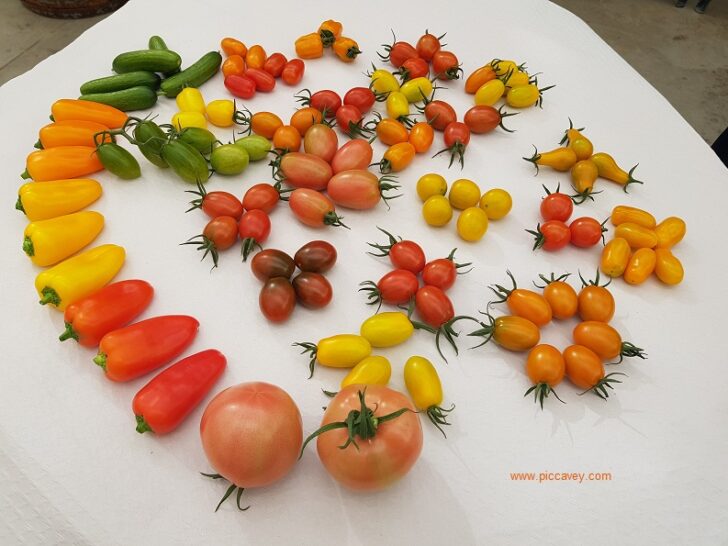
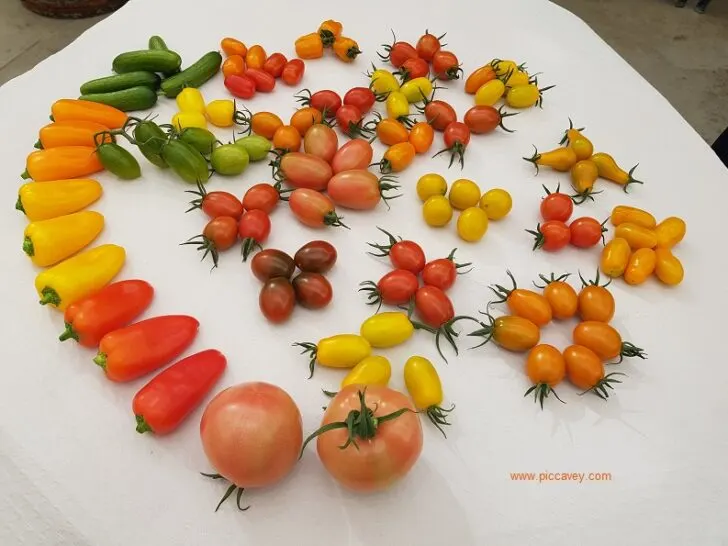
- Summer: tomatoes, watermelon, peppers, zucchini
- Autumn: chestnuts, pumpkins, grapes
- Winter: oranges, cabbage, spinach
- Spring: strawberries, artichokes, peas
These foods are not only delicious but also full of vitamins and nutrients that support energy, concentration, and overall health—things every student needs during busy school days. Students who are especially interested in health, including those preparing for careers in nursing or medicine, usually try to be more careful about their daily food choices.
However, even with healthy habits, they may still feel overwhelmed by tight schedules, long study hours, and academic pressure. When that happens, many of them seek reliable academic support and choose to buy nursing essay to manage their workload more effectively. Getting the right kind of support can reduce stress, improve time management, and help students stay confident and motivated in their studies.
Why Seasonal Foods Are Healthier for Students
Seasonal foods are usually fresher and less processed, which means they keep more nutrients. When fruits and vegetables are harvested at the right time, they contain higher levels of vitamins, antioxidants, and minerals.
Students especially benefit from this because their bodies and brains are still developing. A diet rich in seasonal produce can help improve:
- Energy levels
- Focus in class
- Immune system strength
- Overall physical health
For instance, oranges in Spanish winters are packed with vitamin C, helping students fight colds during the school year. Meanwhile, summer tomatoes are rich in antioxidants like lycopene, which supports heart health and skin protection.
Seasonal foods also tend to be cheaper because they are widely available at the time they are harvested. For families with school-age children, this makes healthy eating more affordable.
In other words, seasonal eating is like getting the best version of a food at the best price.

Seasonal Spanish Foods Students Can Easily Enjoy
Spanish cuisine offers many simple and healthy dishes that students can easily incorporate into their diets. Many of these recipes rely on fresh seasonal ingredients and require minimal preparation.
Let’s look at some examples throughout the year.
Summer Favourites
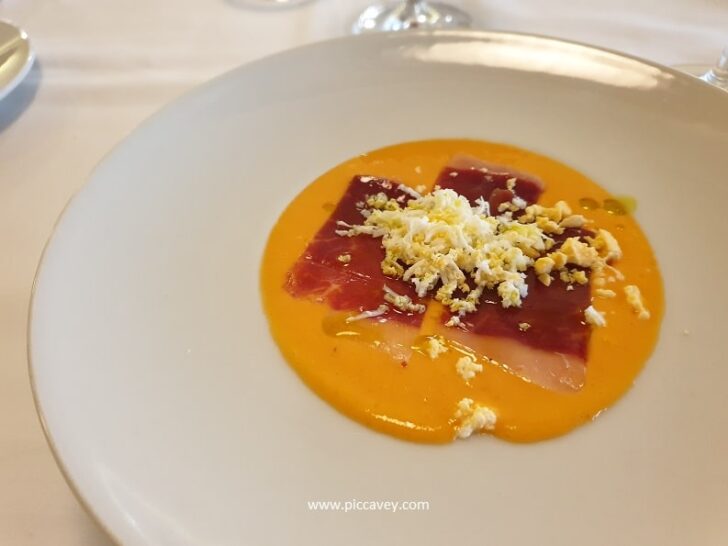
Summer in Spain is full of colourful fruits and vegetables. One famous seasonal dish is gazpacho, a cold tomato soup made with tomatoes, cucumbers, olive oil, garlic, and peppers.
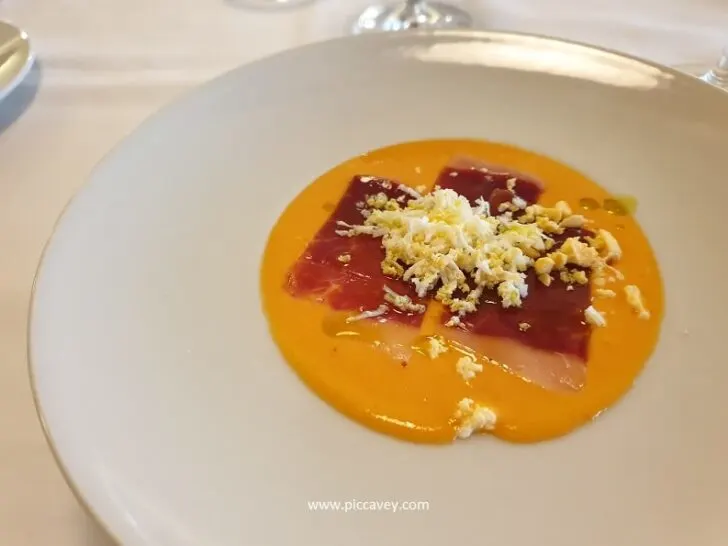
Gazpacho is refreshing, nutritious, and perfect for hot days. It provides vitamins, hydration, and healthy fats from olive oil. Salmorejo is a thicker, more filling alternative popular on warmer days too.
Students can also enjoy:
- Watermelon slices as a healthy snack
- Tomato and olive oil toast (pan con tomate)
- Grilled zucchini or peppers
These foods are light but satisfying, making them ideal for active students during warm months.
Autumn Comfort Foods
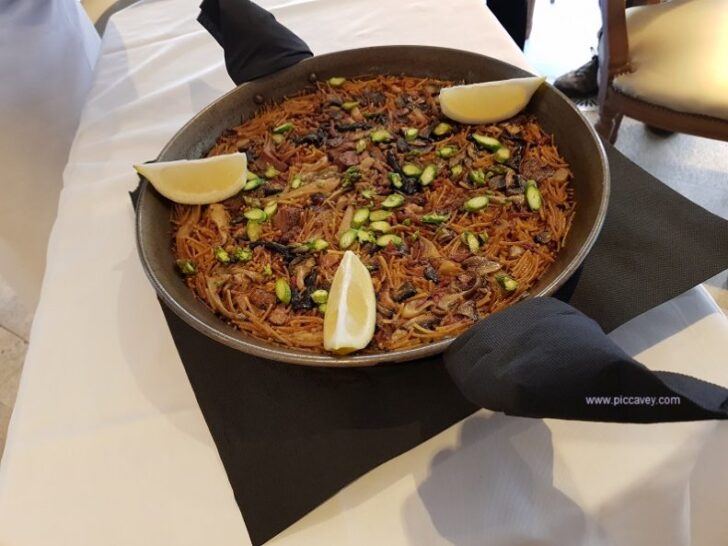
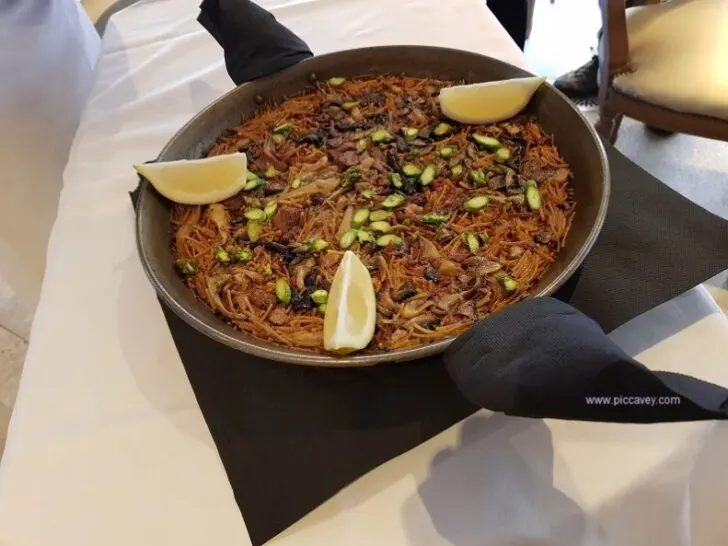
As the weather cools, Spanish markets fill with chestnuts, pumpkins, and mushrooms.
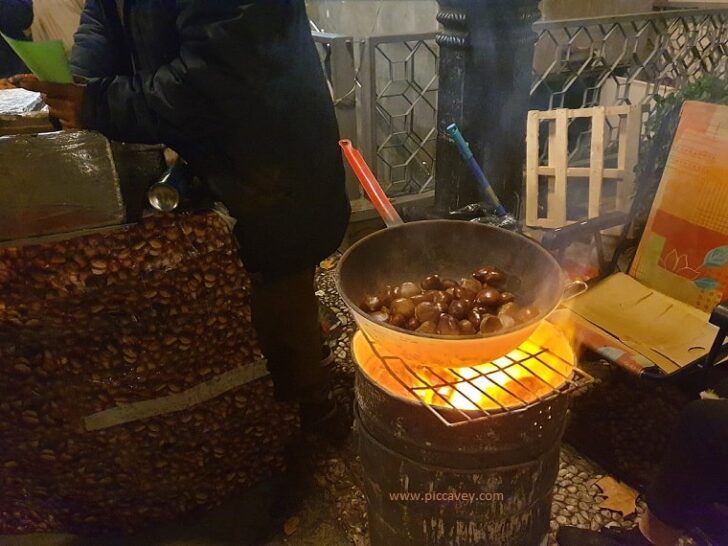
Roasted chestnuts are a traditional Spanish street snack and provide fibre and energy. Pumpkin can be used in soups or roasted dishes that are filling and nutritious. A simple student-friendly idea is pumpkin soup, which is warm, affordable, and easy to prepare.
Simple Seasonal Eating Tips for Students
Adopting seasonal eating habits doesn’t require complicated recipes. In fact, the beauty of Spanish food culture is its simplicity.
Here are some practical tips students can follow.
Visit Local Markets or Grocery Stores
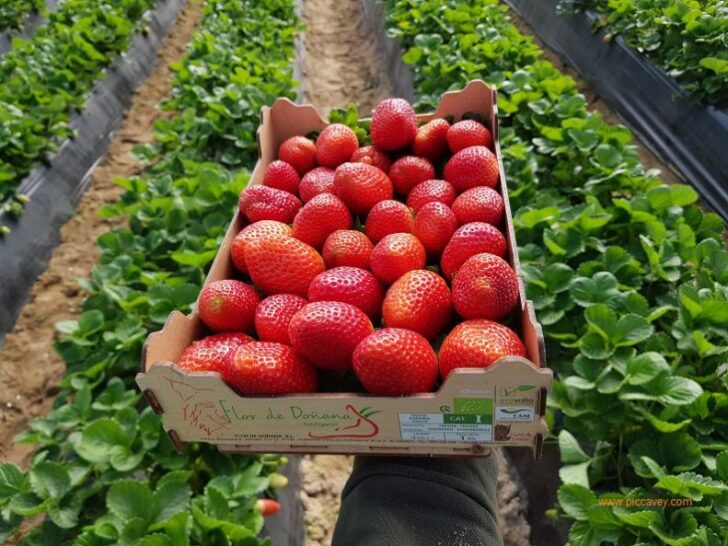
Markets often display fruits and vegetables that are currently in season. Students can start by choosing two or three seasonal ingredients each week and building meals around them.
For example, if strawberries are in season during spring, they can be added to:
- Yogurt
- Oatmeal
- Smoothies
Choose Fresh Snacks Instead of Processed Ones
Instead of chips or sugary snacks, students can try seasonal alternatives such as:
- Fresh oranges in winter
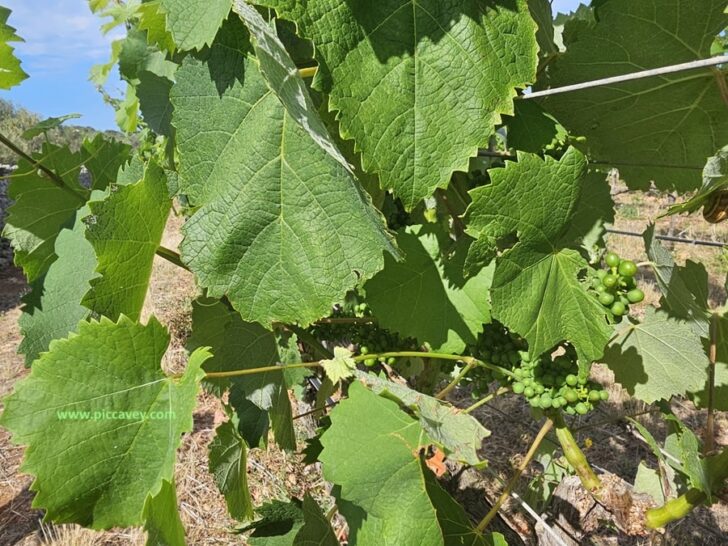
- Grapes in autumn
- Peaches in summer
These snacks provide natural sugars and nutrients without artificial additives.
Cook Simple Spanish-Inspired Meals
Even basic meals can follow the seasonal approach. A slice of bread with olive oil and fresh tomatoes, a fruit bowl, or a vegetable omelet can become a balanced and delicious option.
Eating this way is not about strict diets—it’s about making small, smarter choices.
How Schools and Families Can Encourage Seasonal Eating
Healthy habits often start at home and in school environments. If families and educators introduce students to seasonal foods early, these habits can last a lifetime.
Schools can support seasonal eating by:
- Including seasonal fruits in cafeterias
- Teaching students about local agriculture
- Organizing cooking workshops or food education programs
Families can also involve children in choosing and preparing seasonal ingredients. Visiting a farmers’ market together can turn food shopping into a fun learning experience.
Imagine a student discovering how strawberries appear in spring or how chestnuts are harvested in autumn. Suddenly, food becomes more than just something to eat—it becomes a connection to nature and culture.
This awareness can inspire students to appreciate healthier foods rather than relying on fast food options.
Building Lifelong Healthy Habits Through Seasonal Foods
The eating habits students develop today often stay with them for years. Learning to enjoy fresh, seasonal ingredients can shape how they think about food throughout their lives.
Seasonal Spanish foods provide a perfect example of how simple traditions can lead to healthier lifestyles. By following the natural cycle of fruits and vegetables, students gain access to better nutrition, richer flavours, and more balanced meals.
Moreover, seasonal eating encourages curiosity. Students begin to ask questions: What fruits grow in spring? What vegetables are best in winter? This curiosity can lead to a deeper understanding of food and health.
In many ways, seasonal eating acts like a guide. Instead of complicated diet rules, nature quietly suggests what our bodies might need during each time of the year.
Conclusion
Seasonal Spanish foods offer more than delicious flavours—they provide a powerful model for healthier student eating habits. By focusing on fresh ingredients that naturally appear throughout the year, students can enjoy meals that are nutritious, affordable, and full of variety.
From refreshing summer gazpacho to warm autumn pumpkin soup, Spain’s seasonal dishes show that healthy eating does not have to be complicated. It simply requires paying attention to what nature provides at the right time.
For students, adopting seasonal eating habits can improve energy, concentration, and overall well-being. With support from families, schools, and communities, these habits can grow into lifelong practices.
After all, when students learn to eat with the seasons, they are not just following a diet—they are discovering a healthier and more enjoyable relationship with food.