Steps to Sustainability in Spain…
Since we started the new year I have been focusing more on recycling and creating less waste. Working from home has made me realise how much rubbish I generate each day. (for just one person!)
We all noticed that air pollution reduced dramatically during lockdown. Not only in Spain but in other major cities across the world. Nature came into its own. Birds were more present in our towns and villages. Plants and trees did better in less contaminated environments.
So this year I´ve thought about a few steps I want to take to reduce waste and pollution.
Sustainability in Spain
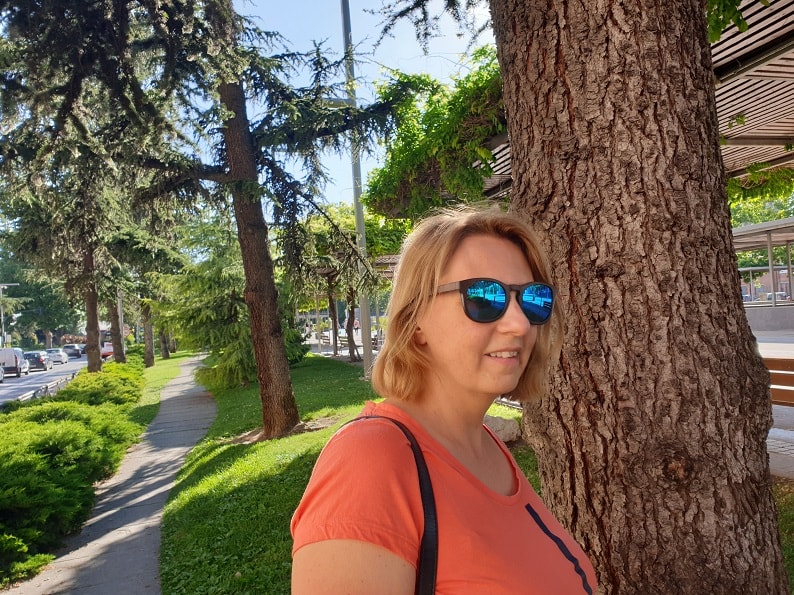
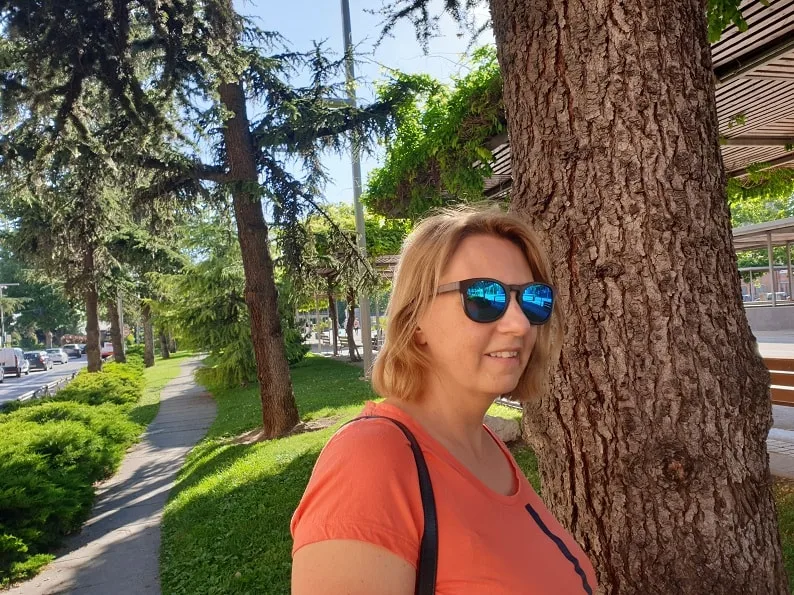
There are many new companies and projects in Spain which are sustainable. Some are smaller businesses and may not be so well known. A good example of sustainability in Spain is Livegens. This Spanish company make Bamboo Sunglasses which you can buy online. As well as having relevant designs they are also polarised. (perfect for driving!)
As sunglasses are the typical thing that you lose, scratch or want to change according to the latest trends. It´s good to have a more environmentally friendly option out there. What makes these ones super comfortable are the lightweight material.
When the weather is hot you barely feel the glasses on you. Other glasses leave marks on my nose and are really tight fitting. These are very comfy. Recently having to wear a facemask is an extra complication. So I appreciate the lightweight bamboo glasses right now.
The case to protect the glasses is also very lightweight and made of bamboo.
Less Plastic
Plastic has been a big theme since 2023 when Spain introduced the plastic tax. I have also been looking at ways to reduce the use of plastic at home. Recently I have seen other materials such as bamboo and vegetable textiles. The most recent example, I bought a new salad bowl this week, rather than plastic, I got a bamboo one. Even Olive stones as being used as new sustainable materials to create bioethanol.
Reducing Food Waste
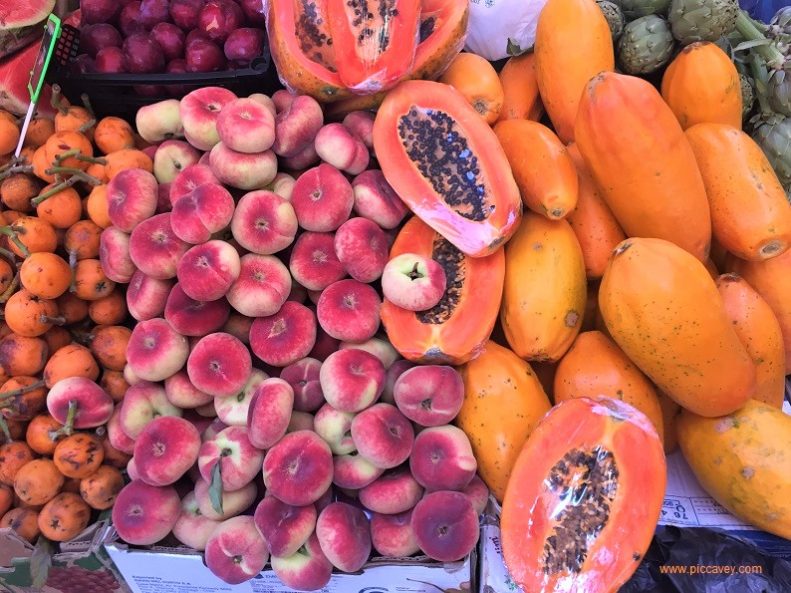
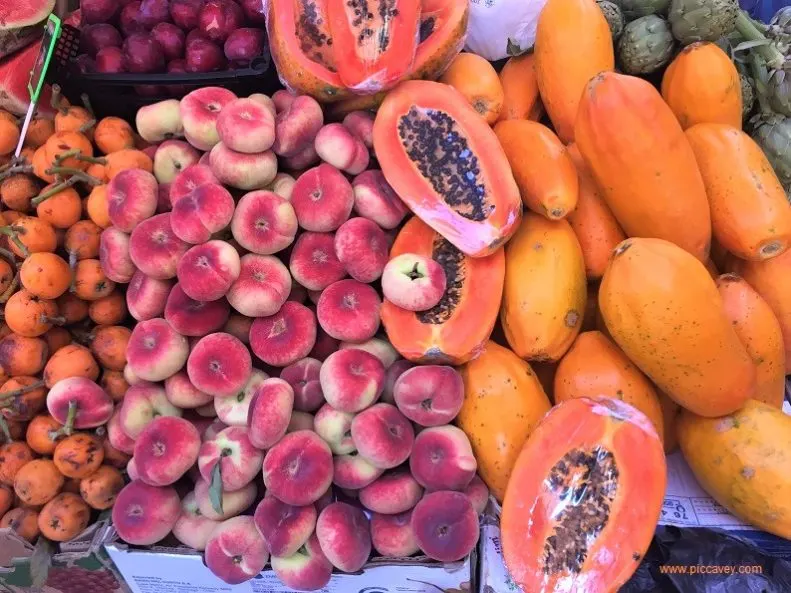
Reducing food waste is something I´m sure we can all do more of. Since the price rises in food and other bills, I have began to use the freezer again to cook meals in batches. Using up fruit and vegetables that were past their best in soups, smoothies and sauces. I calculated portion sizes and even used my kitchen scales again.
This way we eat healthier at home and the system reduces stress as we know what we have ahead of meal time.
Eat by Season
I am now taking longer to do the big shop as I try to use up things before I restock. This is saving me time and money, as well as wasted food. Just think how much effort and resources were used in making the food in the first place. Then to just throw it away is really not good.
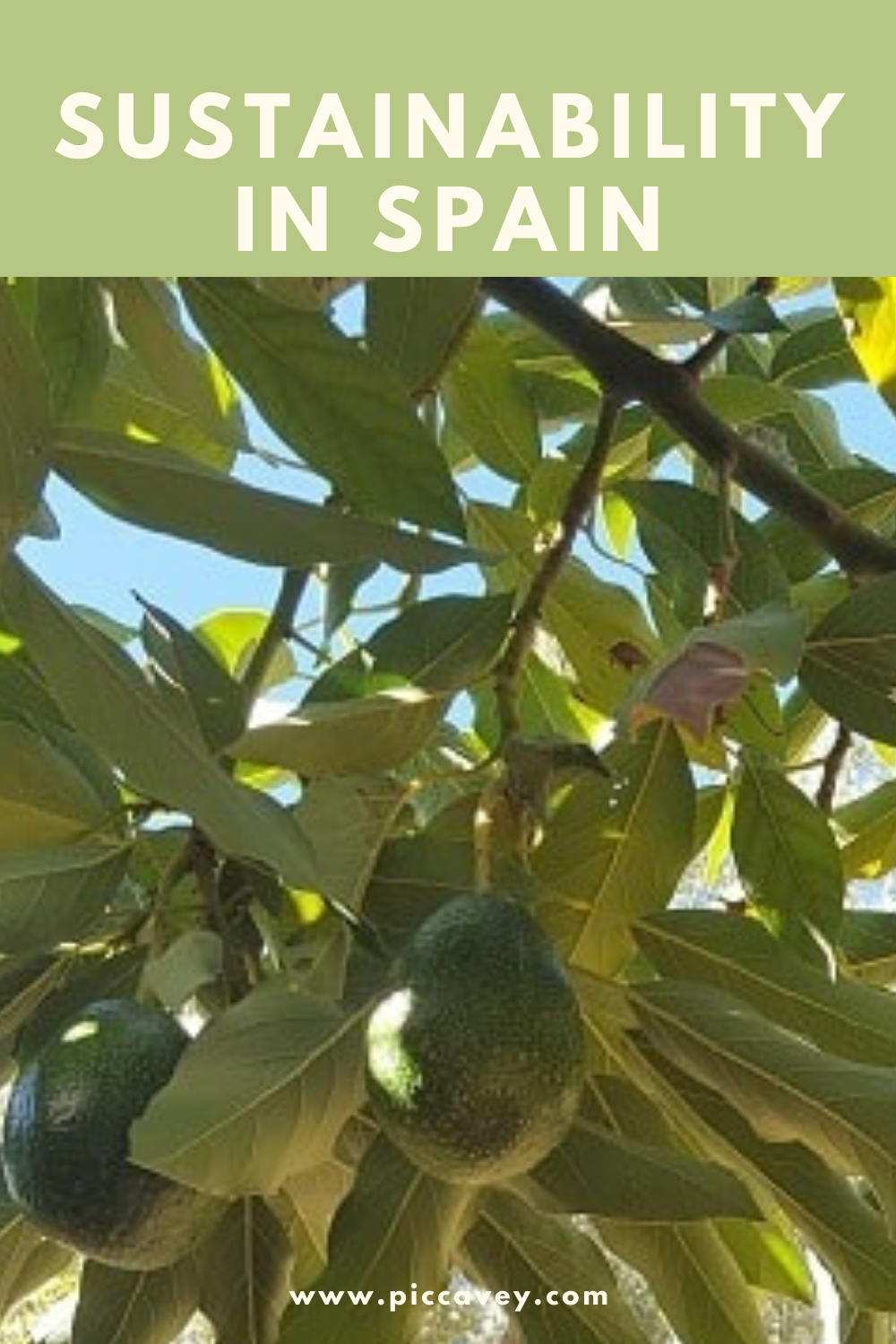
I actually believe that Spain with all its home cooking and aversion to ready meals is already quite a sustainable place regarding food waste. They are also very conscious here of eating fruit and vegetables that are in season. Deeming out of season produce to be expensive and tasteless. : )
Too Good to Go
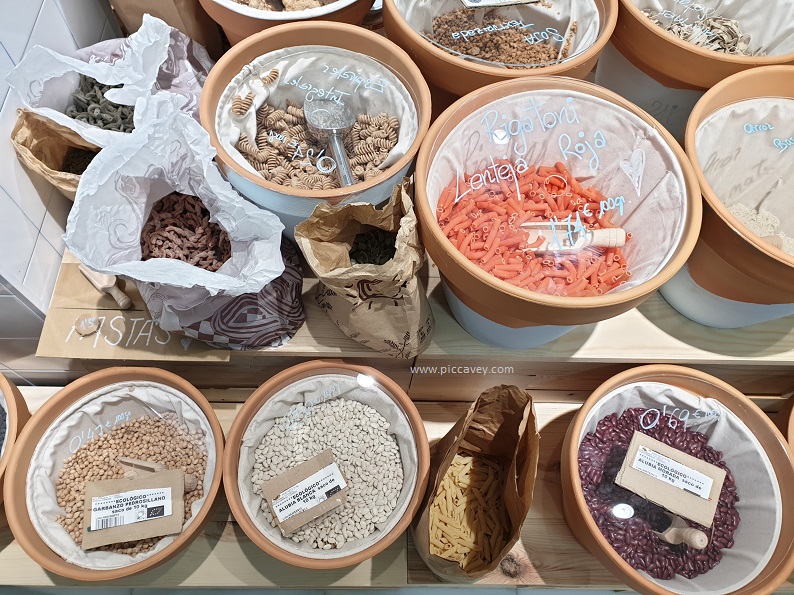
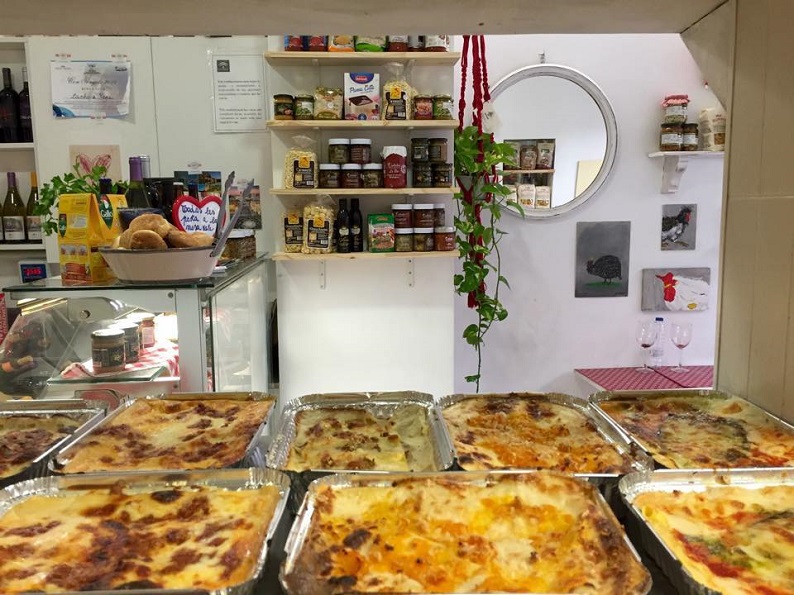
There are also lots of fill your own shops popping up everywhere. Places where you can buy the amount you need and take in your own containers. This way if you live in a small apartment you need only to buy what you need. It is also a good way to try new things as you don´t need to commit to buying a whole pack.
I also discovered a great mobile app Too Good to Go. This offers food from local restaurants and shops that they will throw away the next day. So it is at a reduced price. It´s a good way to help reduce food waste but also to find new places in your area. I tried it four times during the past month and loved it.
Fast Fashion
So it is no surprise that I am looking closely at how to dress well but reduce my impact on the environment. In the last 3 months spent at home I have looked through my wardrobe to see what clothes I use and which I don´t. Some needed repairing or small alterations.
Generally I have always looked to buy good quality garments and shun fast fashion. Choosing classic pieces that you love and will last for years is already some help. I have one coat that has lasted me since I was 16 years old. I still wear it occasionally now.
Second Hand
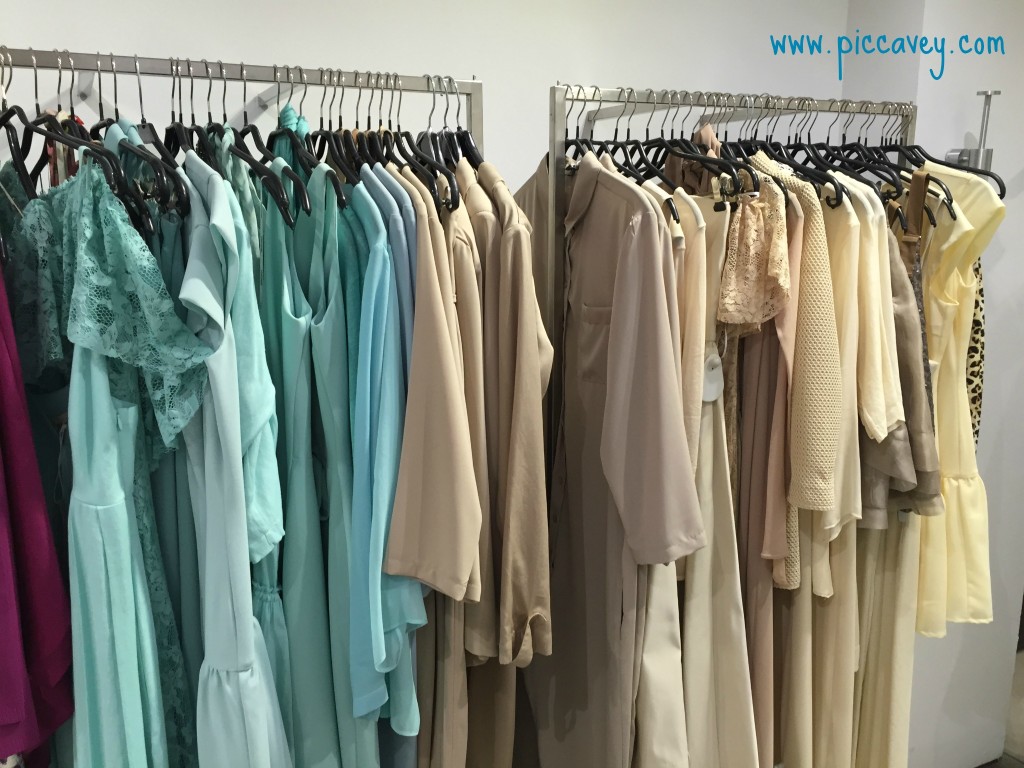
So I have have taken them out to sew or mend. Others I don´t use and have put onto Vinted so someone else can enjoy them. This way I make a little cash on or I occasionally buy something myself. Instead of buying new items, pre loved goods are giving a new lease of life when I buy them. It also makes sure they don´t go to landfill. To get even more views on your Vinted profile, you can bump listings on Vinted which could mean a quicker sale as you reach more users.
I have am also much more conscious of buying local. If I can support local businesses or at least in the same country. I reduce the amount of fuel taken for the item to reach me. There are so many things we can actually do to reduce our impact individually. I also have a stash a boxes to reuse, I pack my vinted items in them quickly and don´t have to buy plastic packaging that way.
Reuse Recycle
Generally there is a problem in recycling plants across Europe. The sheer amount of recycling is far more than they can deal with. However these recycling percentages are increasing each year. Governments are investing more in renewable energy and cleaner policies. I recently visited a recycling plant in Cordoba to find out more about sustainability in Spain.
I was keen to know if I could learn more to be a better consumer myself. I looked for tips to live in a more environmentally friendly way. Glass recycling is something I always do. But when it comes to recycling paper card and plastic. Things become a little more complicated.
The Recycling Symbols on some packaging help but are not always clearly visible on things we buy. At the Cordoba plant visit I learnt a lot more about the complex world of recycling.
Recycling Tips
Sustainability in Spain – Sadeco Cordoba
Things I learnt that I didn´t know before my visit
- Throw plastic bottles into the yellow recycling with their lids on and the air squashed out.
- Do not throw food away when you recycle paper, card, plastic or tetra brik. Throw any food remains (organic matter) away separately before recycling. The cleaner it is the easier it is to be processed. A pizza box for example has grease on it and should go into the bin. Not into the paper and card recycling.
- Cooking Oils in Spain have their own separate container for recycling. They are large orange metal bins. Keep your old cooking oil in a plastic tub or bottle. When full deposit it into your local recycling bin. Do not put oil into the water pipes. 1 litre of oil contaminates a 1000 litres of water. : (
- Buy responsibly. Think how something could be recycled before even buying it. Mixed material items often have no possibility to be processed. They can only go to landfill.
This plant Sadeco specialises in Plastic and Paper recycling. We got to see all the waste coming in on large conveyor belts. How the metal cans were separated with a powerful magnet from the plastic waste. It didn´t smell very good inside, and that´s a processing plant that doesn´t deal with household rubbish or organic matter!
Sustainable Travel
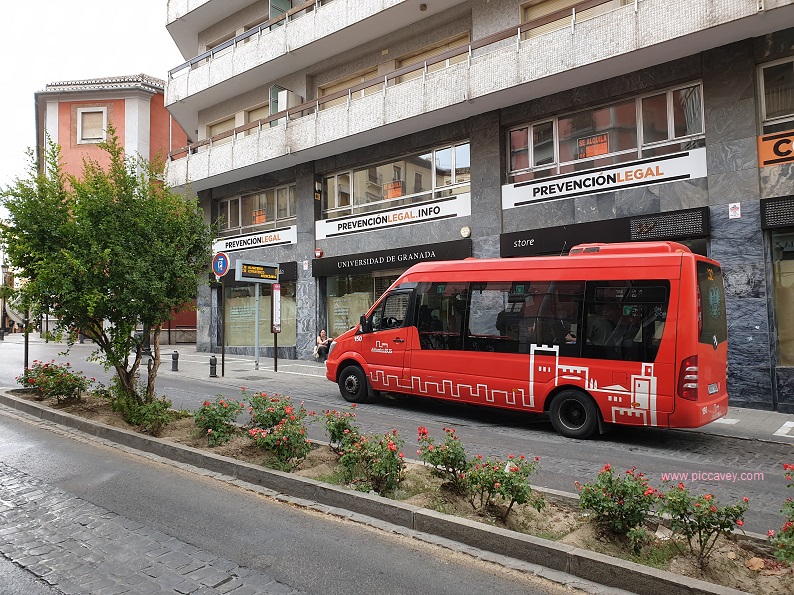
Travelling for pleasure is obviously something that we have all become used to. Although I am a travel blogger and move around quite a bit, most of my travel is by train, bus or car. I specialize in writing about Spain and Spanish culture. So as I am based here, it is rare that I actually fly. I am actually a more sustainable traveller than I believed.
Carbon Offsets
Air travel creates more carbon emissions compared to other methods of transport. On the website Atmosfair find information about the most sustainable airlines. There are also tips on travelling by air in a respectful way. Although Carbon Offsets are one of the most talked about ways to reduce the impact of air travel. It´s not the only way.
At a time when we worry about travelling in an enclosed space due to Coronavirus. It is a good idea to check alternatives to air travel, not only for ourselves but also for the environment too. Other gestures that help would be reducing the weight of your suitcase each time you fly. Or choosing public transport to get to the airport.
Over tourism
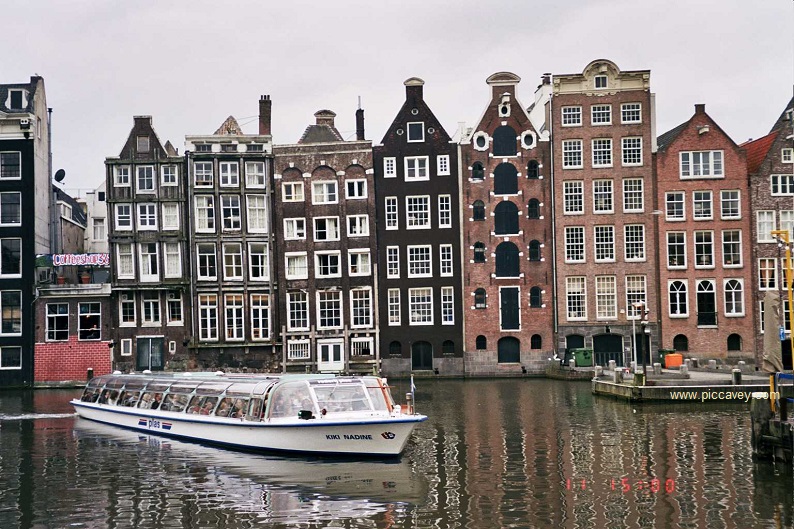
Since leisure travel has become so popular many cities have suffered with Over tourism. Cities such as Rome, Berlin and Barcelona have all been in the headlines in recent years. Too many visitors in one location that actually alter the dynamics of the city and have a damaging impact on the region.
One of the biggest problems I see in Southern Spain is the difficulty for families to rent property as many apartments are now tourist rentals. This is a common trend in European cities these days.
Avoid Popular Destinations
There are so many destinations to choose from, it is simple to avoid over tourism.
- Choose locations that are a little more difficult to reach. Perhaps you have to hire a car on arrival as the destination is an hour or so from the airport or train station. The benefits of choosing a lesser trodden path are plentiful.
- You will probably have a more authentic experience. As locals will be less saturated by regular tourists. It will most likely be cheaper as prices are not bumped up for the influx of international visitors.
- There will be fewer queues for monuments and museums.
- Spend a longer time there rather than a 48h getaway.
I also wrote up a list of lesser known destinations in Spain which may inspire your next trip.
More Sustainability in Spain & Beyond
Have you taken up any new habits since lockdown?
Are you recycling more than before?
Let me know…